
OUR LATEST UPDATES ON ANTI CORRUPTION
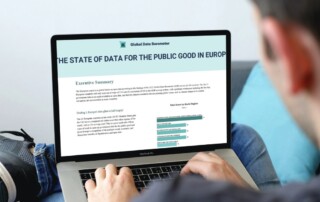
Global Data Barometer: What the EU should do to close the data gap
Madrid, 22 December 2022 – Access Info is today calling on the European Union and EU Member States to act to ensure that data needed for priority issues such as for preventing corruption and tackling climate change, is made public in all countries. This call comes following the publication on 16 December 2022 of the report “The State of

Not all Expression is Lobbying
Submission to OECD Consultation on Lobbying and Influence Madrid, 6 December 2022 – In its analysis of the draft OECD Recommendation on the regulation of lobbying and influence, Access Info has warned of the risk of some governments using the proposed provisions to limit media freedom and freedom of expression in the name of regulating “influence” and ensuring that
Global Civil Society Organisations Concerned About European Court Ruling on Beneficial Ownership Transparency
As European Union and African Union representatives meet in Brussels on Monday 28 November 2022 to review progress following the EU-AU Summit in February, 34 African and European civil society organisations have raised concerns about threats to ground-breaking EU transparency measures, which could undermine all that has been put in place to prevent and combat the problem of illicit

Malta: Civil society calls for justice for Daphne Caruana Galizia on fifth anniversary of her assassination
Valletta, 16 October 2022 – Access Info is one of 36 freedom of expression and information groups which have denounced the Maltese government's lack of ambition and transparency in press freedom reforms and renewed calls for full justice for Daphne Caruana Galizia. The full statement reads as follows: Five years ago today, investigative reporter Daphne Caruana Galizia was brutally assassinated in
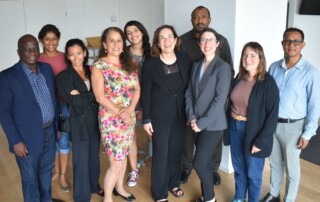
Helen Darbishire re-elected Chair of UNCAC Coalition
Madrid, 13 September 2022 – Access Info Europe is delighted to announce that its Executive Director, Helen Darbishire, has been re-elected as Chair of the UNCAC Coalition, the global network of anti-corruption organisations. Helen Darbishire, who has served as Chair for the past two years, was elected along with Co-Chair Gillian Dell of Transparency International who set up the UNCAC
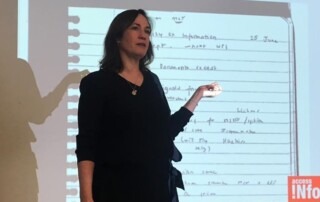
Pandora Papers: How long before we have open company registers?
Helen Darbishire, Director of Access Info Europe, reflects on what the Pandora Papers tell us about anti-corruption and integrity instruments in Europe, and calls on the European Commission to move urgently on opening up company registers. Helen is a member of the Steering Committee of the Open Government Partnership, and is Chair of the UNCAC Coalition, a global civil society