In 2017, after a successful campaign by Access Info Europe, the European Commission began to regularly publish the spending of its members on official missions. Now we are presenting that data in a way that’s understandable for all and we want the Commission to take note.
Access Info joins 500+ organisations calling for stronger EU investment in democracy, media, and culture
Madrid, 13 April 2026. – Access Info Europe has joined a broad coalition of over 500 organisations from across Europe calling on EU decision-makers to significantly increase funding for democracy, independent media, and civil
Access Info Submits Comments on the Spanish Draft Law on Public Integrity
Madrid, 2 March 2026. – Access Info Europe has participated in the public consultation and information process for the Spanish Draft Organic Law on Public Integrity, submitting its comments to the Ministry of Finance
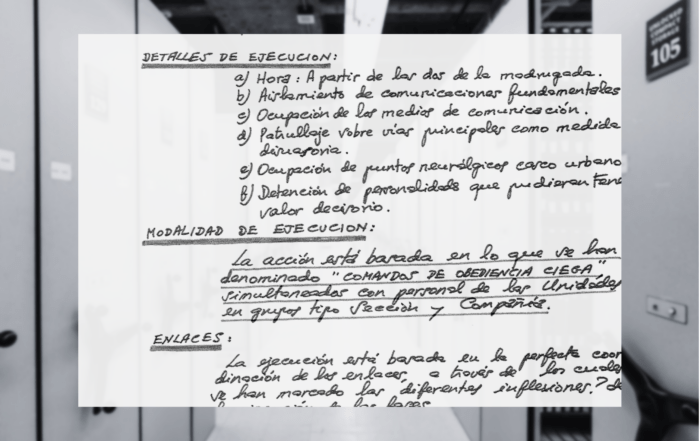
Access Info Celebrates Landmark Release of Secret Files on Spain’s 23-F Coup
Madrid, 25 February 2026 — Access Info Europe welcomes the decision by the Spanish Government to declassify documents relating to the attempted coup d’état of 23 February 1981, a move that acknowledges the public’s
Spanish Court Orders Government to Disclose UNCAC Self-Assessment Documents
02 June 2025 - A Spanish court has ruled that the Ministry of Foreign Affairs, European Union and Cooperation was wrong to refuse Access Info’s request for documents related to Spain’s self-assessment of its
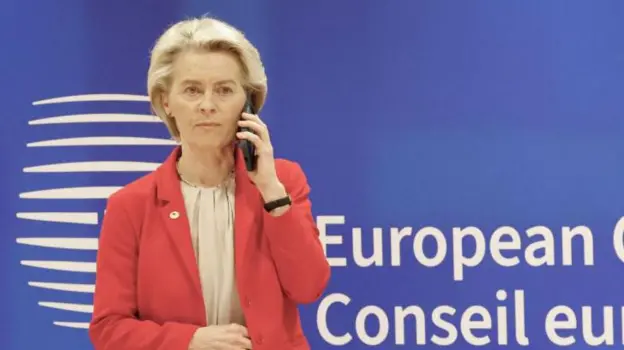
Pfizergate: EU Court Rules Commission in Violation of Transparency Law Over von der Leyen–Pfizer Texts
14 May 2025 – The General Court of the European Union has annulled the European Commission decision to refuse access to text messages relating to COVID-19 vaccine negotiations, stating that doing so violated EU
Civil Society Coalition Calls on European Ombudsman to Defend Transparency and the Right of Access to EU Documents
08 May 2025 - Access Info Europe, alongside a coalition of transparency and accountability organisations, has written to newly elected European Ombudsman Ms. Anjinho urging action to address the “systematic erosion of transparency standards
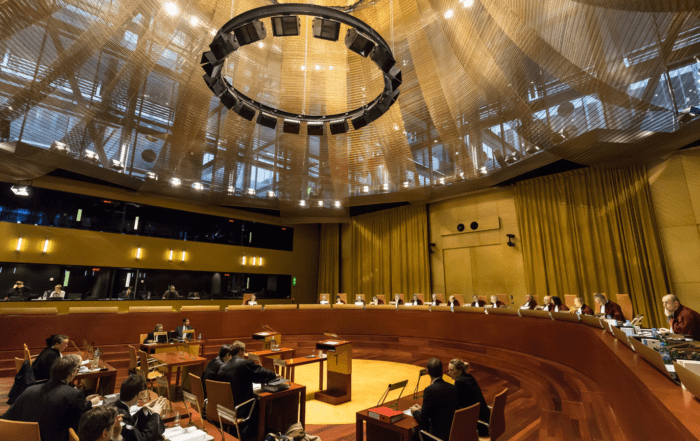
Joint Legal Challenge Filed Against European Commission’s New Access to Documents Rules
25 March 2025 - Access Info brings legal challenge against European Commission arguing that its new access to documents rules violate the Charter, the TFEU, and Regulation 1049/2001. Access Info, together with Emilio de Capitani
Finalists Announced for the Inaugural Access Info Impact Award
Madrid 23 September 2024 – Access Info is proud to announce the three finalists for the first-ever Access Info Impact Award. The Access Info Impact Award aims to honour individuals and organisations that have
Call for nominations for the Access Info Impact Award
Madrid, 12 August 2024 – Access Info Europe today announces the launch of the Access Info Impact Award which celebrates those who have used their right to information to have a positive impact on
Your Right to Know!