
EMPODERANDO AL PERIODISMO A TRAVÉS DEL DERECHO DE ACCESO A LA INFORMACIÓN
EL MANUAL ‘LEGAL LEAKS’ AYUDA A PERIODISTAS A OBTENER
INFORMACIÓN USANDO LAS LEYES DE ACCESO A LA INFORMACIÓN
Why is the right of access to information important for journalism?
A Guide for Journalists on How to Access Information
The Legal Leaks Toolkit, developed by Access Info Europe and n-ost, helps journalists access information using Access to Information laws. The Toolkit is available in a generic international version and can be adapted to the legal framework of any country. The existing national versions, translated into local languages, are available below. You can also read more below about our training programme and about how to contact
the Legal Leaks Help Desk.
Why do media experts think access to information is important?
Journalists, activists, and media experts speak about the importance of access to information in their daily work. Watch all interviews here!
That little detail in the relationship between journalists and sources, that little one, is so important that could change the way in which we tell stories.
It is extremely important that there is this mechanism that you can use as a journalist to say «Hang on a minute, you need to give us this, because we have a right to know».
It’s a great way to get stories, it’s a great way to fin out what governments in particular are doing, it’s a great way to find out where money goes, it’s a great way to prove accountability.
The right of access to information is very important for the journalists’ work; it’s important for everyday work, but it’s even more important for investigations.
Journalism is about investigation, it’s about asking questions; but it’s about documents as well, as a proof for questions, as a proof for answers
Basically, I need access to information to do my job as someone who is supposed to ensure the accountability of politicians, of public officials.
Cover photo: European Parliament via Flickr (CC BY-NC-ND 2.0)
ÚLTIMAS NOTICIAS SOBRE EMPODERANDO AL PERIODISMO
Propuesta de Podemos para democratizar RTVE
Periodistas en Español| 07/03/2016 Español -La diputada Noelia Vera y el portavoz del Grupo Parlamentario de Podemos, Íñigo Errejón, han presentado en el Congreso delos Diputados una Proposición no de Ley para reformar el modelo actual de la Corporación Radio Televisión Española y garantizar la independencia de sus sociedades, la transparencia y la participación. Leer más...
40 diputados tienen un millón de euros en empresas del Ibex 35
El Español | 07/03/2016 Spanish - El Congreso de los Diputados ha publicado por tercera vez en democracia las declaraciones de bienes del nuevo parlamento. Un análisis de datos realizado por EL ESPAÑOL permite conocer cuánto dinero invierten los parlamentarios y dónde lo depositan. Read more...
Propuesta de Podemos para democratizar RTVE
Periodistas en Español| 07/03/2016 Spanish-La diputada Noelia Vera y el portavoz del Grupo Parlamentario de Podemos, Íñigo Errejón, han presentado en el Congreso delos Diputados una Proposición no de Ley para reformar el modelo actual de la Corporación Radio Televisión Española y garantizar la independencia de sus sociedades, la transparencia y la participación. Read more...
40 diputados tienen un millón de euros en empresas del Ibex 35
El Español | 07/03/2016 Español – El Congreso de los Diputados ha publicado por tercera vez en democracia las declaraciones de bienes del nuevo parlamento. Un análisis de datos realizado por EL ESPAÑOL permite conocer cuánto dinero invierten los parlamentarios y dónde lo depositan. Leer más...
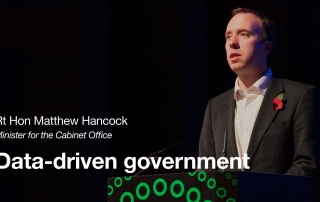
UK Government drops plans to restrict FOI
Madrid, 3 March 2016- Access Info Europe has welcomed the decision by the UK government to abandon its plan to undermine the UK FOI law through measures such as the introduction of fees for making requests or expanding the Cabinet veto on disclosure of information. This victory in defence of the public’s right to know was achieved after intense public
Soluciones creativas desde las instituciones para mejorar la transparencia
Bez | 15/02/2016 Español- A pesar de las limitaciones que presenta la Ley de Transparencia 19/2013, muchas entidades a nivel autonómico y local están intentando aprobar marcos más favorables al derecho de acceso a información y a hacer su actividad transparente para los ciudadanos. Leer más...