
EMPODERANDO AL PERIODISMO A TRAVÉS DEL DERECHO DE ACCESO A LA INFORMACIÓN
EL MANUAL ‘LEGAL LEAKS’ AYUDA A PERIODISTAS A OBTENER
INFORMACIÓN USANDO LAS LEYES DE ACCESO A LA INFORMACIÓN
Why is the right of access to information important for journalism?
A Guide for Journalists on How to Access Information
The Legal Leaks Toolkit, developed by Access Info Europe and n-ost, helps journalists access information using Access to Information laws. The Toolkit is available in a generic international version and can be adapted to the legal framework of any country. The existing national versions, translated into local languages, are available below. You can also read more below about our training programme and about how to contact
the Legal Leaks Help Desk.
Why do media experts think access to information is important?
Journalists, activists, and media experts speak about the importance of access to information in their daily work. Watch all interviews here!
That little detail in the relationship between journalists and sources, that little one, is so important that could change the way in which we tell stories.
It is extremely important that there is this mechanism that you can use as a journalist to say «Hang on a minute, you need to give us this, because we have a right to know».
It’s a great way to get stories, it’s a great way to fin out what governments in particular are doing, it’s a great way to find out where money goes, it’s a great way to prove accountability.
The right of access to information is very important for the journalists’ work; it’s important for everyday work, but it’s even more important for investigations.
Journalism is about investigation, it’s about asking questions; but it’s about documents as well, as a proof for questions, as a proof for answers
Basically, I need access to information to do my job as someone who is supposed to ensure the accountability of politicians, of public officials.
Cover photo: European Parliament via Flickr (CC BY-NC-ND 2.0)
ÚLTIMAS NOTICIAS SOBRE EMPODERANDO AL PERIODISMO
Paredes de cristal a golpe de ley
La Opinión A Coruña | 03/01/2016 Español– El pasado 10 de diciembre entró en vigor para todos los municipios de España la Ley de Transparencia y Buen Gobierno. Lo hizo un año después que para el Gobierno central, quien ya está obligado a cumplir con estas garantías de transparencia desde diciembre de 2014. Leer más…
Paredes de cristal a golpe de ley
La Opinión A Coruña | 03/01/2016 Spanish – El pasado 10 de diciembre entró en vigor para todos los municipios de España la Ley de Transparencia y Buen Gobierno. Lo hizo un año después que para el Gobierno central, quien ya está obligado a cumplir con estas garantías de transparencia desde diciembre de 2014. Read more…
El difícil camino de la libertad de expresión
La opinión de Málaga | 27/12/2015 Español– En el informe del Instituto Internacional de Prensa (IPI) sobre la libertad de prensa en España (junio 2015) se hace referencia a un documento publicado en marzo del presente año por el IPI, Access Info Europa, la Federación Europea de Periodistas, y Reporteros Sin Fronteras España, en el que se identifican, entre otros,
El difícil camino de la libertad de expresión
La opinión de Málaga | 27/12/2015 Spanish – En el informe del Instituto Internacional de Prensa (IPI) sobre la libertad de prensa en España (junio 2015) se hace referencia a un documento publicado en marzo del presente año por el IPI, Access Info Europa, la Federación Europea de Periodistas, y Reporteros Sin Fronteras España, en el que se identifican, entre otros,
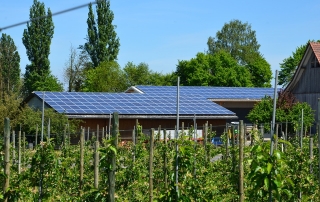
El Ministerio de Industria deniega el acceso a información sobre la elaboración del Real Decreto de Autoconsumo
Madrid 18 de diciembre de 2015 - Access Info Europe ha presentado una reclamación ante el Consejo de Transparencia a raíz de la negativa del Ministerio de Industria a proporcionar los documentos utilizados y reuniones mantenidas en el proceso de elaboración de la ley 900/2015 que regula el autoconsumo de energía en España; una norma no exenta de polémica y
I Seminario Internacional Transparencia y Buen Gobierno de la Universidad Carlos III
Fecha: 17 Diciembre 2015 Lugar: Madrid, España