
EMPODERANDO AL PERIODISMO A TRAVÉS DEL DERECHO DE ACCESO A LA INFORMACIÓN
EL MANUAL ‘LEGAL LEAKS’ AYUDA A PERIODISTAS A OBTENER
INFORMACIÓN USANDO LAS LEYES DE ACCESO A LA INFORMACIÓN
Why is the right of access to information important for journalism?
A Guide for Journalists on How to Access Information
The Legal Leaks Toolkit, developed by Access Info Europe and n-ost, helps journalists access information using Access to Information laws. The Toolkit is available in a generic international version and can be adapted to the legal framework of any country. The existing national versions, translated into local languages, are available below. You can also read more below about our training programme and about how to contact
the Legal Leaks Help Desk.
Why do media experts think access to information is important?
Journalists, activists, and media experts speak about the importance of access to information in their daily work. Watch all interviews here!
That little detail in the relationship between journalists and sources, that little one, is so important that could change the way in which we tell stories.
It is extremely important that there is this mechanism that you can use as a journalist to say «Hang on a minute, you need to give us this, because we have a right to know».
It’s a great way to get stories, it’s a great way to fin out what governments in particular are doing, it’s a great way to find out where money goes, it’s a great way to prove accountability.
The right of access to information is very important for the journalists’ work; it’s important for everyday work, but it’s even more important for investigations.
Journalism is about investigation, it’s about asking questions; but it’s about documents as well, as a proof for questions, as a proof for answers
Basically, I need access to information to do my job as someone who is supposed to ensure the accountability of politicians, of public officials.
Cover photo: European Parliament via Flickr (CC BY-NC-ND 2.0)
ÚLTIMAS NOTICIAS SOBRE EMPODERANDO AL PERIODISMO
Access Info in the News 2012
News articles from 2012 Lobbying and transparency: pressuring the European Union Global Voices | 15/12/2012English-Various NGOs, like Access Info Europe, HAI, Environmental Service Law and Spinwatch, decided to raise awareness of the need to control lobbying through the EU Citizens Project. This allowed more than 40 European citizens, committed to transparency, to travel to Belgium in order to discover the
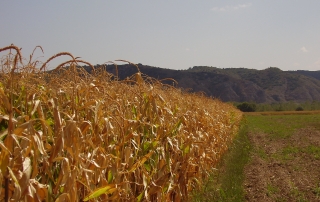
Amigos de la Tierra y Access Info Europe exigen al Ministerio de Agricultura que desvele la ubicación de los cultivos comerciales transgénicos
Madrid, 17 de diciembre de 2012 – Amigos de la Tierra y Access Info Europe han presentado hoy una solicitud de información al Ministerio de Agricultura, Alimentación y Medio Ambiente para que desvele la ubicación exacta de los cultivos comerciales transgénicos de maíz, que se mantiene en secreto, en violación de la legislación europea. La solicitud se ha enviado también

Limpia el humo de Bruselas – Pide transparencia del lobby ahora!
Un grave escándalo de lobby ha sido descubierto en Bruselas después de que uno de los altos funcionarios de la Comisión Europea se viera obligado a dimitir por su implicación en un proceso de tráfico de influencias. La industria tabacalera afirmó que un grupo de presión relacionado con el Comisario de Salud, John Dalli, le solicitó decenas de millones de
Participation, ethics and transparency: what citizens want from Brussels
Participation, ethics and transparency: What citizens want from Brussels Brussels, 17 November 2012 – The European Union is ever more important in influencing the laws and policies that affect more than 500 million europeans. Yet very few know about our european representatives and the influence of interest groups upon them. Therefore, various organisations around Europe, including Access Info Europe, Friends
Sí saben, pero no contestan
A pesar de la inminente puesta en marcha de una ley de acceso a la información pública, el informe del primer cuatrimestre de actividad en ‘Tu Derecho A Saber‘ pone de manifiesto que, en la práctica, existen graves problemas de transparencia en España. Este primer informe, revela que la mayoría de las solicitudes no obtienen respuesta, o ésta es incompleta.
Report tuderechoasaber
coming soon