
EMPODERANDO AL PERIODISMO A TRAVÉS DEL DERECHO DE ACCESO A LA INFORMACIÓN
EL MANUAL ‘LEGAL LEAKS’ AYUDA A PERIODISTAS A OBTENER
INFORMACIÓN USANDO LAS LEYES DE ACCESO A LA INFORMACIÓN
Why is the right of access to information important for journalism?
A Guide for Journalists on How to Access Information
The Legal Leaks Toolkit, developed by Access Info Europe and n-ost, helps journalists access information using Access to Information laws. The Toolkit is available in a generic international version and can be adapted to the legal framework of any country. The existing national versions, translated into local languages, are available below. You can also read more below about our training programme and about how to contact
the Legal Leaks Help Desk.
Why do media experts think access to information is important?
Journalists, activists, and media experts speak about the importance of access to information in their daily work. Watch all interviews here!
That little detail in the relationship between journalists and sources, that little one, is so important that could change the way in which we tell stories.
It is extremely important that there is this mechanism that you can use as a journalist to say «Hang on a minute, you need to give us this, because we have a right to know».
It’s a great way to get stories, it’s a great way to fin out what governments in particular are doing, it’s a great way to find out where money goes, it’s a great way to prove accountability.
The right of access to information is very important for the journalists’ work; it’s important for everyday work, but it’s even more important for investigations.
Journalism is about investigation, it’s about asking questions; but it’s about documents as well, as a proof for questions, as a proof for answers
Basically, I need access to information to do my job as someone who is supposed to ensure the accountability of politicians, of public officials.
Cover photo: European Parliament via Flickr (CC BY-NC-ND 2.0)
ÚLTIMAS NOTICIAS SOBRE EMPODERANDO AL PERIODISMO

Commission urged to do more to tackle the Revolving Door Phenomenon
Commission urged to do more to tackle the Revolving Door Phenomenon Brussels, November 2011 – The Alliance for Lobbying Transparency and Ethics Regulation has launched a new report which calls on the EU institutions to work more actively to block the «revolving door», by which EU staff move from public sector positions to jobs in the private sector, and vice
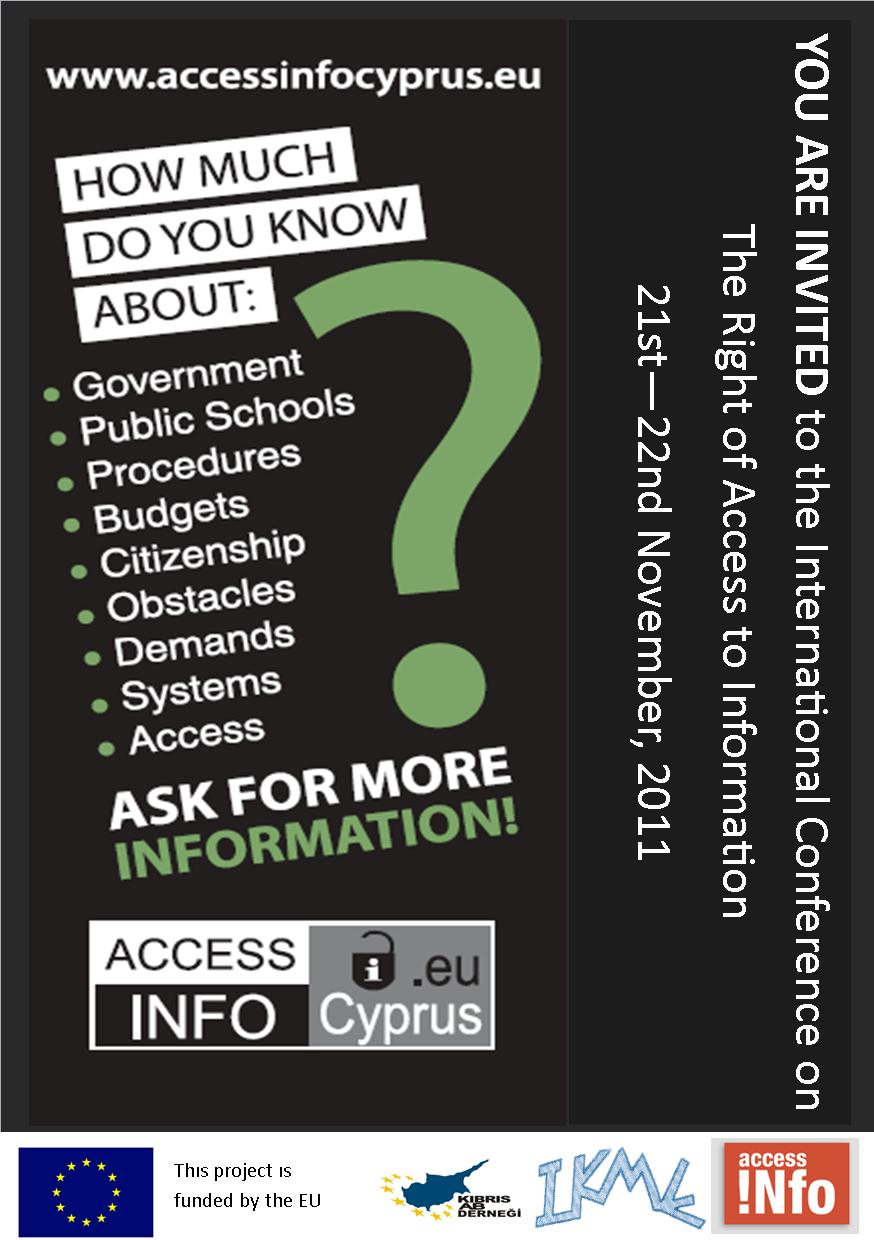
Conferencia Internacional sobre el Derecho a Acceso de Información en Chipre
21-22 Noviembre 2011 Informe y Recomendaciones
Chipre Abierto: hallazgos y recommendaciones
15 Noviembre 2011 - Nicosia: Desde 24 Febrero 2001 hasta 20 Junio 2011 habia una consulta online del público en todo Chipre para el informe Chipre Abierto. Durante este periodo, el público tenía la oportunidad participar online sobre el debate del derecho a saber y los mejores mecanismos para avanzar la transparencia y participación pública. Al mismo tiempo, Access Info
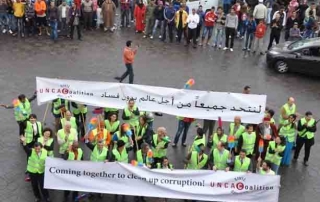
La sociedad civil pide más transparencia en las negociaciones internacionales para combatir la corrupción
Marrakech, 28 Octubre 2011 - Transparencia Internacional España y Access Info Europe se han unido a las organizaciones de la sociedad civil de todo el mundo para abogar por una lucha más decidida contra la corrupción y por una mayor transparencia, en la 4ª Conferencia de Estados Parte de la Convención de la ONU contra la Corrupción (UNCAC) que se

Access Info exige que se ponga fin a las negociaciones a puerta cerrada para combatir la corrupción
Marrakech, 27 de octubre de 2011 – Hoy, como participante en las negociaciones de Marrakech de la Conferencia de Estados Parte de la Convención de las Naciones Unidas contra la Corrupción (UNCAC), Acess Info Europe hizo una intervención formal en la sesión plenaria solicitando a los Estados Parte que pongan fin a las discusiones a puerta cerrada en las que
Iniciativa «¡Cuenten lo que han hecho!» – Resultados de un estudio piloto
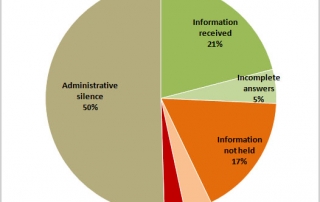
Un estudio global halla una transparencia mínima en los esfuerzos anticorrupción 25 de octubre del 2011: El primer estudio global para evaluar el acceso a la información relativa a la implementación de los tratados anticorrupción ha detectado que la mitad de las preguntas dirigidas a los gobiernos (50%) no son respondidas por la administración. La investigación, realizada por Acces Info