
EMPODERANDO AL PERIODISMO A TRAVÉS DEL DERECHO DE ACCESO A LA INFORMACIÓN
EL MANUAL ‘LEGAL LEAKS’ AYUDA A PERIODISTAS A OBTENER
INFORMACIÓN USANDO LAS LEYES DE ACCESO A LA INFORMACIÓN
Why is the right of access to information important for journalism?
A Guide for Journalists on How to Access Information
The Legal Leaks Toolkit, developed by Access Info Europe and n-ost, helps journalists access information using Access to Information laws. The Toolkit is available in a generic international version and can be adapted to the legal framework of any country. The existing national versions, translated into local languages, are available below. You can also read more below about our training programme and about how to contact
the Legal Leaks Help Desk.
Why do media experts think access to information is important?
Journalists, activists, and media experts speak about the importance of access to information in their daily work. Watch all interviews here!
That little detail in the relationship between journalists and sources, that little one, is so important that could change the way in which we tell stories.
It is extremely important that there is this mechanism that you can use as a journalist to say «Hang on a minute, you need to give us this, because we have a right to know».
It’s a great way to get stories, it’s a great way to fin out what governments in particular are doing, it’s a great way to find out where money goes, it’s a great way to prove accountability.
The right of access to information is very important for the journalists’ work; it’s important for everyday work, but it’s even more important for investigations.
Journalism is about investigation, it’s about asking questions; but it’s about documents as well, as a proof for questions, as a proof for answers
Basically, I need access to information to do my job as someone who is supposed to ensure the accountability of politicians, of public officials.
Cover photo: European Parliament via Flickr (CC BY-NC-ND 2.0)
ÚLTIMAS NOTICIAS SOBRE EMPODERANDO AL PERIODISMO
El PP presenta una propuesta de ley de acceso a la información sin reconocer que es un derecho fundamental
Madrid 13 de julio de 2011- Access Info Europe da la bienvenida a la nueva propuesta de ley de acceso a la información del Grupo Popular que ayudará a generar un debate sobre el contenido de la futura legislación española sobre el acceso a la información pública. Entre los fallos, el más relevante es que sigue sin reconocer el carácter
EU Council fights open decision making
Council of the EU Fights Open Decision Making: Greece, UK, and other member states to intervene in favour of secrecy Madrid, 27 June 2011 – The Council of the European Union is appealing against a March 2011 General Court (Court of Justice) ruling that promised to open Brussels law making up to proper scrutiny and participation by members of the
Review anti terror laws
Council of Europe to guide member states on review of anti-terror laws Madrid, 8 July 2011 – In response to a campaign by human rights, media and journalists’ organisations from across Europe, the Council of Europe has agreed to provide guidance to member states so that they fulfill a promise made in May 2009 to review anti-terror laws for their
¿Qué es Open Government Data?
Open Government Data trata sobre obtener acceso a información en poder de organismos gubernamentales en un formato que cualquiera pueda utilizar para cualquier propósito. Para considerarse como "abierto", debe ser posible el acceso a los datos en formatos que se permitan libremente copiar, compartir, combinar con otro material o republicar como parte de sitios web para permitir a los usuarios
El borrador de la ley de acceso a la información no asegura una mayor transparencia
Madrid, 22 de junio de 2011- Respondiendo a las demandas del movimiento 15M el gobierno confirmó ayer que va a presentar una ley de transparencia, pero basándose en el borrador de la ley de acceso a la información pública que ha sido severamente criticado por expertos nacionales e internacionales por no cumplir los estándares mínimos del Consejo de Europa. La
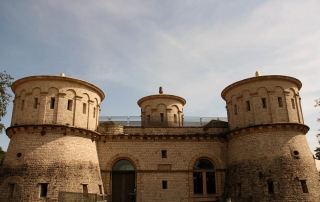
luxembourg transparency eleven years and counting
Waiting for Transparency in Luxembourg: Eleven Years and Counting Madrid, 20 June 2011 – Today marks exactly eleven years since Luxembourg’s “freedom of access to information” law was first proposed, but the law has not yet been adopted. Luxembourg is one of the only countries in the European Union (and the wider Council of Europe region) not to have such