
REFUGIADOS Y MIGRACIONES
ARROJANDO LUZ A LA FORMA EN QUE SE TOMAN LAS DECISIONES EN RESPUESTA A LA CRISIS HUMANITARIA EN EUROPA
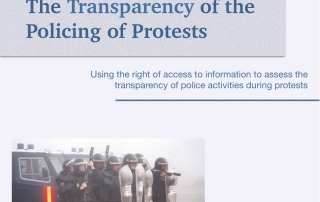
The Transparency of the Policing of Protests
Report finds Europe-wide Lack of Transparency of Policing of Protests Madrid, 24 April 2015 - There is a serious lack of transparency about the use of various types of equipment during policing of protests according to a report published today by Access Info Europe, following research conducted in 42 countries and territories across Europe by means of access to information
Timmermans takes swipe at MEPs on transparency
euobserver | 23/04/2015 English – EU commission vice-president Frans Timmermans has taken a swipe at MEPs who preach transparency but have not implemented the same rules as the commission when it comes to meetings with lobbyists. Making a pointed reference to this "august" building during a transparency debate on Thursday (23 April), Timmermans noted that while the parliament asks many questions of him, it
Interior da la callada por respuesta: ninguna petición de información contestada en 2 años
El Confidential | 21/04/2015 Spanish – No sabe, no contesta. Esta es la respuesta más habitual de la Administración a las solicitudes de información de los españoles, según se desprende del informe Tuderechoasaber 2014, publicado por la Fundación Ciudadana Civio y Access Info Europe y que evalúa la información facilitada por las instituciones públicas a petición de los ciudadanos. Read more...
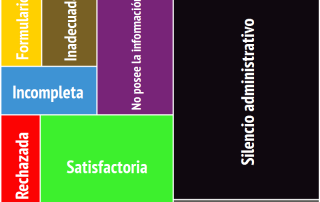
Informe de Tuderechoasaber.es 2014
Las instituciones reducen su uso del silencio administrativo, aunque es mayoritario como obstáculo para la transparencia » El silencio, primer baremo de la opacidad institucional, baja del 57% en 2013 al 42,7% gracias a una mejora sustancial de las entidades locales; las respuestas satisfactorias también aumentan » La Fundación Ciudadana Civio y Access Info Europe presentan el Informe Tuderechoasaber 2014, que
International Journalism Festival – «An Italian FOIA: watch this space»
Date: 18 April 2015, 11am Location: Sala del Dottorato, Piazza IV Novembre 6, Perugia, Italy
La falta de transparencia de los lobbies en España impulsa la corrupción
La Información | 16/04/2015 Spanish – La sinergia entre los lobbies y la administración pública levanta numerosas suspicacias. El término lobbista va inevitablemente acompañado de calificativos como desconfianza, intercambio de favores o corrupción. Read more...