
OUR LATEST UPDATES ON ANTI CORRUPTION

Access Info Submits Comments on the Spanish Draft Law on Public Integrity
Madrid, 2 March 2026. – Access Info Europe has participated in the public consultation and information process for the Spanish Draft Organic Law on Public Integrity, submitting its comments to the Ministry of Finance to strengthen the transparency and access to information requirements of this key legislation to prevent and combat corruption. The draft bill includes a wide range
Finalists Announced for the Inaugural Access Info Impact Award
Madrid 23 September 2024 – Access Info is proud to announce the three finalists for the first-ever Access Info Impact Award. The Access Info Impact Award aims to honour individuals and organisations that have effectively used their right to information to advance human rights, environmental protection, democracy, or anti-corruption efforts. After opening nominations last month, the award received 21
Call for nominations for the Access Info Impact Award
Madrid, 12 August 2024 – Access Info Europe today announces the launch of the Access Info Impact Award which celebrates those who have used their right to information to have a positive impact on society. The Access Info Impact Award recognises those who have significantly leveraged their right to information to advance human rights, environmental protection, democracy, and/or
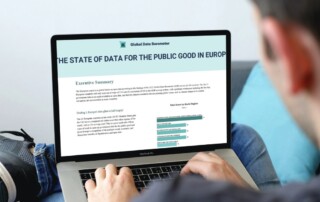
Global Data Barometer: What the EU should do to close the data gap
Madrid, 22 December 2022 – Access Info is today calling on the European Union and EU Member States to act to ensure that data needed for priority issues such as for preventing corruption and tackling climate change, is made public in all countries. This call comes following the publication on 16 December 2022 of the report “The State of

Not all Expression is Lobbying
Submission to OECD Consultation on Lobbying and Influence Madrid, 6 December 2022 – In its analysis of the draft OECD Recommendation on the regulation of lobbying and influence, Access Info has warned of the risk of some governments using the proposed provisions to limit media freedom and freedom of expression in the name of regulating “influence” and ensuring that
Global Civil Society Organisations Concerned About European Court Ruling on Beneficial Ownership Transparency
As European Union and African Union representatives meet in Brussels on Monday 28 November 2022 to review progress following the EU-AU Summit in February, 34 African and European civil society organisations have raised concerns about threats to ground-breaking EU transparency measures, which could undermine all that has been put in place to prevent and combat the problem of illicit