
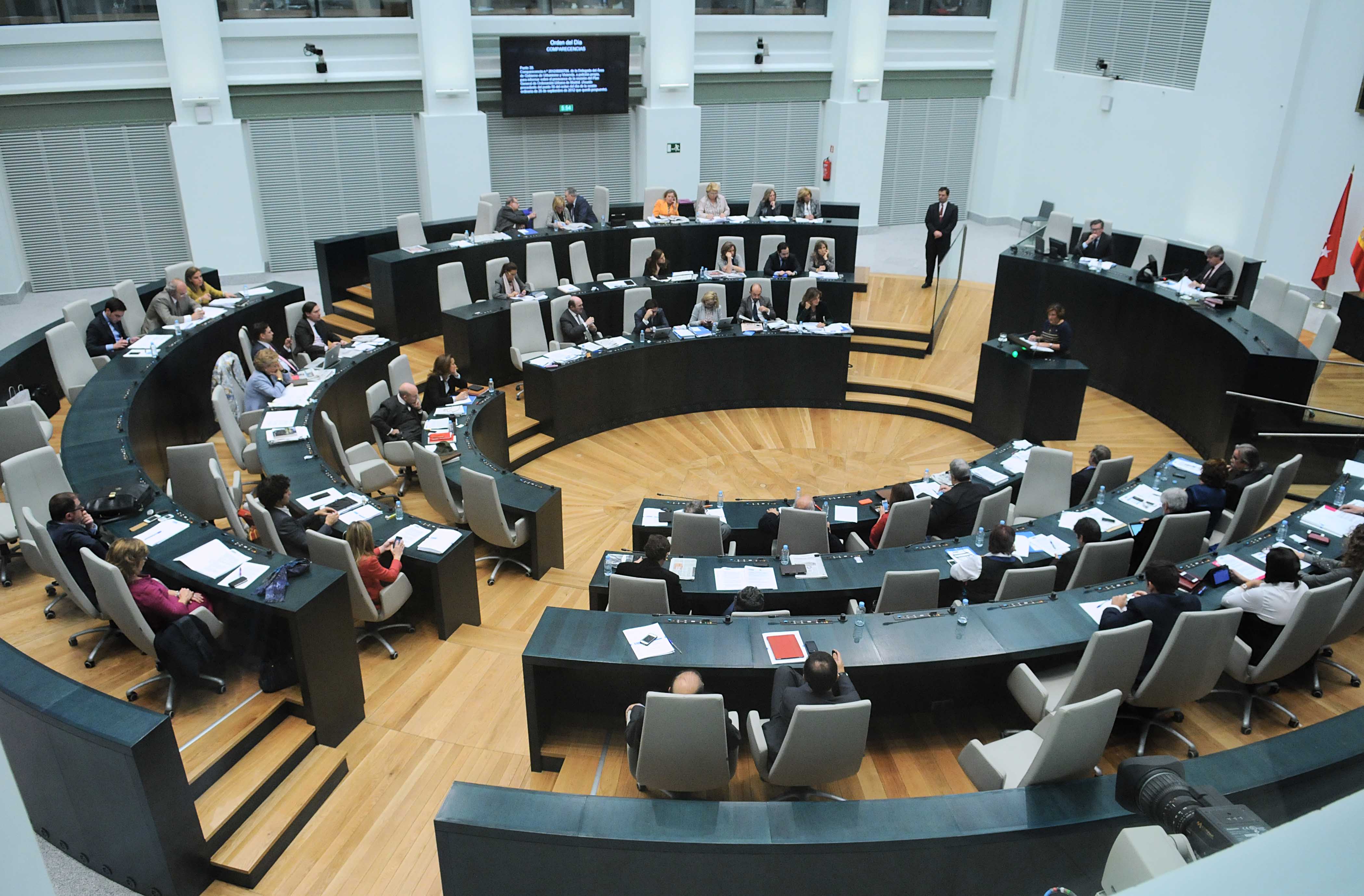
Madrid, 19 de julio, 2016 – La Fundación Civio y Access Info Europe expresan su preocupación ante la enmienda del Grupo Municipal Socialista al proyecto de Ordenanza de Transparencia de la Ciudad de Madrid que diluye gravemente la eficacia del Registro de Lobbies, una de las medidas más importantes de la ordenanza que está en la última fase de tramitación.
Ambas organizaciones publican hoy una valoración sobre las enmiendas de los partidos antes de ser debatidas en el Pleno. La propuesta socialista, de ser aprobada, eliminaría la obligación de estar inscrito en el Registro de Lobbies para poder mantener una reunión con un alto cargo público.
El Diario de Sesiones del 24 de junio refleja la oposición del concejal socialista Ramón Silva por “miedo” a que ante “cada persona que le pare por la calle” tenga que verificar si está inscrita previamente.
“Hablar con la calle con un ciudadano no es lo mismo que reunirse con un grupo de presión. El matiz es claro: solo deben estar registradas aquellas personas o entidades que pretendan influir en la aprobación de una norma”, señala Javier de Vega, de Civio.
“Hacemos un llamamiento a los distintos grupos para que mantengan el carácter obligatorio de estar inscrito en el Registro de Lobbies. Esta medida es imprescindible para garantizar la transparencia de la actuación de los cargos públicos; si se elimina, todo el esfuerzo quedaría en papel mojado”, añade Alba Gutiérrez, coordinadora de campañas e investigadora de Access Info Europe.
La postura del Grupo Socialista, que también alega que tener que acreditar la inscripción previa en el Registro de Lobbies “podría limitar la libertad de actuación de los concejales”, contrasta con la posición del Grupo Popular. Los Populares piden ampliar las obligaciones, además de a los concejales, a su personal eventual, y también a los titulares de “las demás entidades afectadas” por la ordenanza. No solo de los órganos directivos del Ayuntamiento, como figura en el proyecto.
Además, Access Info y Civio son partidarias de establecer sanciones a todo alto cargo que se reúna con grupos de interés no inscritos previamente en el Registro de Lobbies, e impuestas siempre por un órgano independiente, no por la Junta de Gobierno. Ambas organizaciones se ponen a disposición del equipo municipal y de todos los grupos para ayudar a que los madrileños cuenten con la mejor ordenanza de transparencia posible.
La valoración de Access Info Europe y Civio sobre las enmiendas presentadas por los distintos partidos a la Ordenanza de Transparencia de la Ciudad de Madrid puede encontrarse aquí: 
Nota: Victoria Anderica, una de las responsables de este proyecto de ordenanza municipal, ha trabajado antes de ocupar su puesto actual en el Ayuntamiento de Madrid en Access Info Europe. Además, Civio trabaja actualmente en un proyecto de visualización de los presupuestos para el Ayuntamiento de Madrid. Ninguno de estos factores ha influido al valorar la propia ordenanza ni las enmiendas de los grupos.
Para más información contactar con:
Alba Gutiérrez | Access Info Europe
Envía un mail o llama al +34 913 656 558
Javier de Vega | Fundación Civio
Envía un mail o llama al +34 650 074 421