
28 SEPTEMBER – INTERNATIONAL DAY FOR UNIVERSAL ACCESS TO INFORMATION
Madrid, 28 September 2026 – On this International Day for Universal Access to Information, Access Info looks back on a journey that began 20 years ago. Established in 2006, Access Info has since worked relentlessly to strengthen people’s right of access to information.
For two decades, Access Info has challenged the barriers that stand in the way of access to information and defended the right to know before public institutions and the courts, across Europe and at the EU level. The right to know is not only achieved by its recognition in law: it becomes a reality when people can exercise it without unnecessary barriers.
Access Info’s contribution to IDUAI
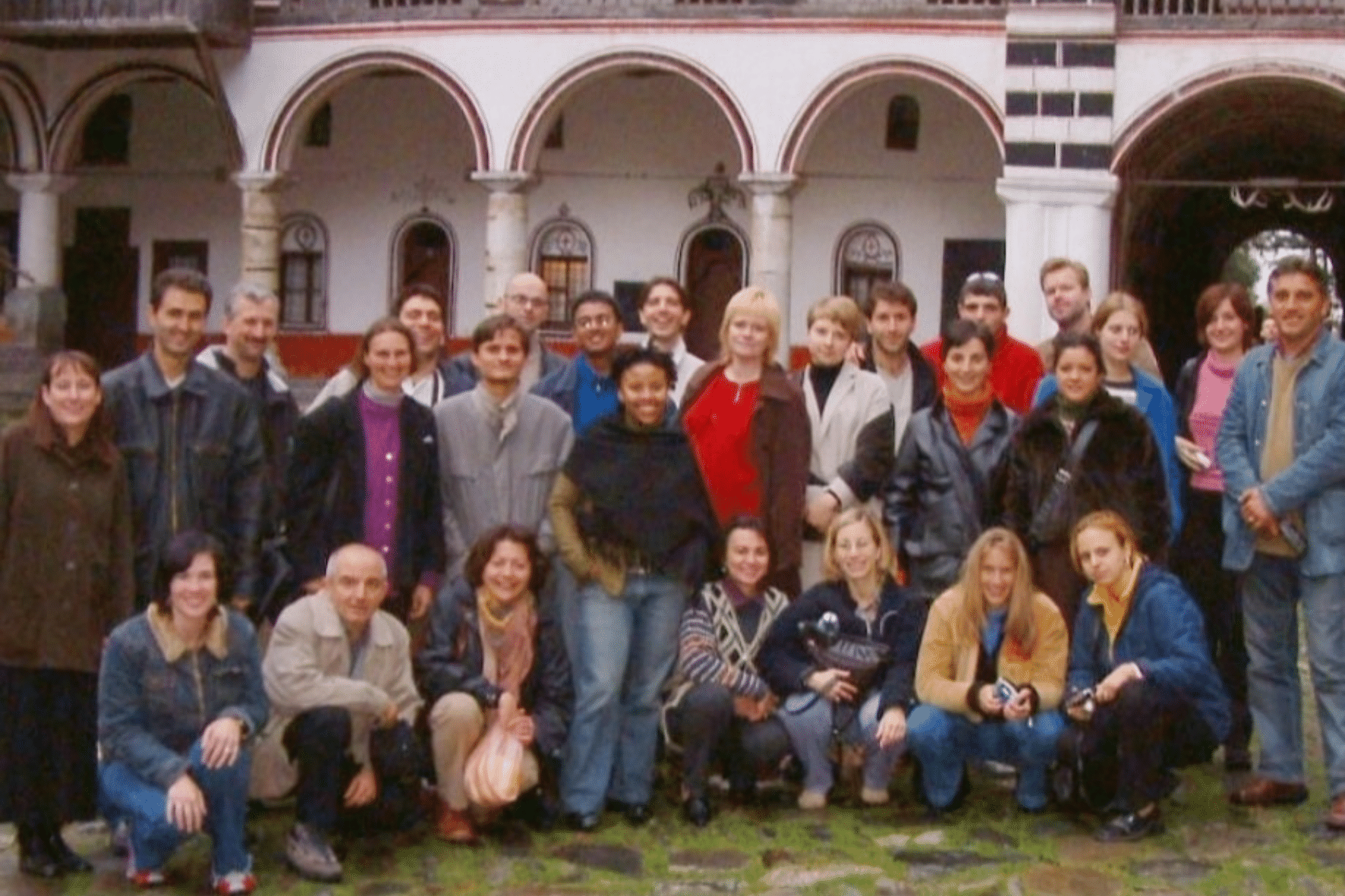
Access Info’s founder, Helen Darbishire, was among those who helped establish Right to Know Day, when civil society activists from different countries gathered in Sofia, Bulgaria, on 28 September 2002 to promote the right of access to information.
Following years of civil society advocacy for its recognition, in 2015, UNESCO proclaimed 28 September as the International Day for Universal Access to Information. In 2019, the United Nations General Assembly formally recognised the date. More than two decades later, people and organisations around the world recognise and celebrate the day as they work to advance transparency and defend the right to know.
Twenty years of turning access to information right into reality
Our work across Europe has included strengthening access to information standards, supporting civil society and journalists, monitoring transparency practices, litigating and advocating for greater openness in national and EU decision-making. We have contributed to debates on access to information laws and standards in countries across Europe, developed tools and research to help people exercise their right to know, and challenged restrictions on access to EU information.
We have also looked for new ways to make this right more accessible. In 2011, Access Info and MySociety launched AsktheEU.org, enabling people to request information from European institutions and publish the responses they receive. Together with the Centre for Law and Democracy, we also developed the RTI Rating, a methodology for assessing access to information laws around the world.
All of this is part of the same goal: to ensure that the right to know is not simply a principle recognised in law, but a tool that enables people to know, participate and hold those in power to account.
Promoting transparency in Spain
Access Info was founded in Madrid in 2006 and, since then, we have worked alongside civil society organisations, journalists, public institutions and citizens to promote greater transparency and strengthen the right of access to information in Spain.
A key part of this work has been coordinating the Coalición Pro Acceso, a civil society coalition bringing together organisations committed to advancing the right of access to information in Spain. Together, we have contributed to the main debates on Spain’s transparency legislation and continued to call for improvements to ensure that people can fully exercise their right of access to information.
This work also helped advance international commitments. Spain signed the Council of Europe Convention on Access to Official Documents (the Tromsø Convention) in 2021 and ratified it in 2023, following a civil society campaign that secured a commitment to its signature and ratification in the IV Open Government Action Plan.
These achievements show what civil society can achieve when organisations come together and push for transparency commitments to be turned into meaningful action.
The right to know still needs to be defended
Twenty years after Access Info was founded, the right of access to information has become firmly established in many countries and across different international frameworks. Yet exercising that right still presents obstacles: requests that are delayed, information that is not published, exemptions applied without proper justification or in a disproportionate way, and decision-making processes that remain opaque and offer limited opportunities for participation.
At the same time, new challenges to transparency are emerging. The use of AI, algorithms and automated systems by public authorities, as well as disinformation and the proliferation of fake news, raise new questions about how to safeguard the right to know in a rapidly changing society.
That is why this 28 September is an opportunity not only to celebrate what has been achieved, but also to reaffirm the importance of continuing to defend the right of access to information.
After two decades, Access Info continues to defend the right to know as a cornerstone of open, accountable and democratic societies. Access to information enables people to understand how public institutions work, participate in public life, hold decision-makers to account and defend their rights. This is why protecting and strengthening this right remains as important today as it was when Access Info was founded.