
EMPODERANDO AL PERIODISMO A TRAVÉS DEL DERECHO DE ACCESO A LA INFORMACIÓN
EL MANUAL ‘LEGAL LEAKS’ AYUDA A PERIODISTAS A OBTENER
INFORMACIÓN USANDO LAS LEYES DE ACCESO A LA INFORMACIÓN
Why is the right of access to information important for journalism?
A Guide for Journalists on How to Access Information
The Legal Leaks Toolkit, developed by Access Info Europe and n-ost, helps journalists access information using Access to Information laws. The Toolkit is available in a generic international version and can be adapted to the legal framework of any country. The existing national versions, translated into local languages, are available below. You can also read more below about our training programme and about how to contact
the Legal Leaks Help Desk.
Why do media experts think access to information is important?
Journalists, activists, and media experts speak about the importance of access to information in their daily work. Watch all interviews here!
That little detail in the relationship between journalists and sources, that little one, is so important that could change the way in which we tell stories.
It is extremely important that there is this mechanism that you can use as a journalist to say «Hang on a minute, you need to give us this, because we have a right to know».
It’s a great way to get stories, it’s a great way to fin out what governments in particular are doing, it’s a great way to find out where money goes, it’s a great way to prove accountability.
The right of access to information is very important for the journalists’ work; it’s important for everyday work, but it’s even more important for investigations.
Journalism is about investigation, it’s about asking questions; but it’s about documents as well, as a proof for questions, as a proof for answers
Basically, I need access to information to do my job as someone who is supposed to ensure the accountability of politicians, of public officials.
Cover photo: European Parliament via Flickr (CC BY-NC-ND 2.0)
ÚLTIMAS NOTICIAS SOBRE EMPODERANDO AL PERIODISMO

Sociedad civil va a los tribunales para obtener documentos del lobby en la ley de Autoconsumo
[ACTUALIZACIÓN - Madrid, 10 de marzo de 2017 - El pasado 7 de febrero de 2017, el Juzgado Central de lo Contencioso-Administrativo de Madrid emitió sentencia en primera instancia desestimando la demanda y confirmando los términos de la resolución del Consejo de Transparencia y Buen Gobierno. Access Info Europe y la Plataforma por un Nuevo Modelo Energético han recurrido esta
EU Ombudsman: Public figures should expect a high degree of transparency about their professional competence
Madrid/Brussels, 10 May 2016 – In an important Decision from the European Ombudsman, Emily O’Reilly has said that data relating to the professional competence and activities of public figures, especially those appointed to a high level public posts, may not require the same level of protection as might apply to personal data in other circumstances. Access Info Europe and the
“Impuesto revolucionario”, “solución final”… las críticas de las CCAA del PP al decreto de autoconsumo
El Diario | 11/05/2016 Español - “Impuesto revolucionario”, “decepcionante”, “injustificado”, “desorbitado” o "solución final" para las renovables. Son algunos de los calificativos que emplearon en julio de 2013 varias comunidades autónomas gobernadas por el PP para arremeter contra la propuesta de Real Decreto para regular el autoconsumo que el Ministerio de Industria les había hecho llegar en esas fechas por
Sssh… El plan español sobre empresas y derechos humanos es alto secreto
El País | 10/05/2016 Español- Han pasado más de tres años desde que venció la fecha dada por la Comisión Europea a los Estados Miembros para que concretaran en planes nacionales cómo iban a implementar los Principios Rectores sobre Empresas y Derechos Humanos de la ONU. España no ha cumplido y, según el Gobierno, los ciudadanos no tenemos derecho a

Plan de Empresa y Derechos Humanos: Top Secret
Madrid, 10 mayo de 2016 – El derecho de acceso a información en España ha sufrido un duro revés. Durante el proceso de elaboración del Plan Nacional de Empresa y Derechos Humanos, organizaciones y empresas, entre otros, realizaron una serie de aportaciones a las que recientemente el Consejo de Transparencia y Buen Gobierno (CTBG) -el organismo creado por la Ley
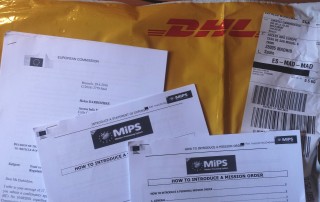
After five months, European Commission tells Access Info the name of a database!
Madrid, 9 May 2016 - On Europe Day, Access Info’s Executive Director Helen Darbishire was happy to open a DHL package from the European Commission with the response to a request submitted on 16 November 2015 for information about the database in which the travel and entertainment expenses of the European Commissioners are stored. We asked about the database because