


Access Info’s 20-Year Journey Defending the Right to Know
28 SEPTEMBER – INTERNATIONAL DAY FOR UNIVERSAL ACCESS TO INFORMATION Madrid, 28 September 2026 – On this International Day for Universal Access to Information, Access Info looks back on a journey that began 20
Spanish Civil Society Calls on Parliament to Address a Democratic Gap: Regulating Lobbying
15 SEPTEMBER, INTERNATIONAL DAY OF DEMOCRACY Spanish Civil Society Calls on Parliament to Address a Democratic Gap: Regulating Lobbying The signatory organisations are calling for the validation of the Royal Decree-Law to regulate interest
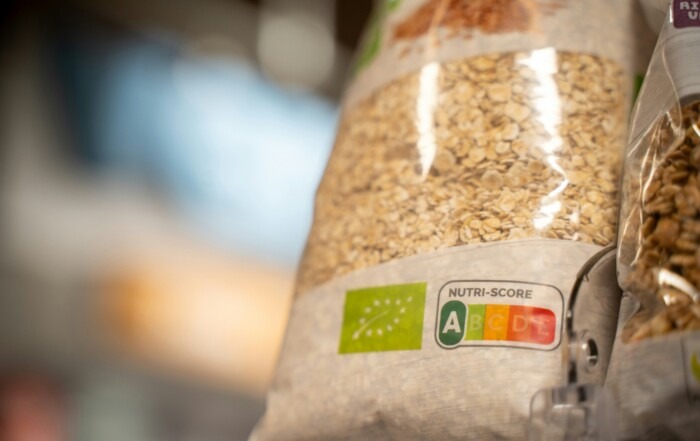
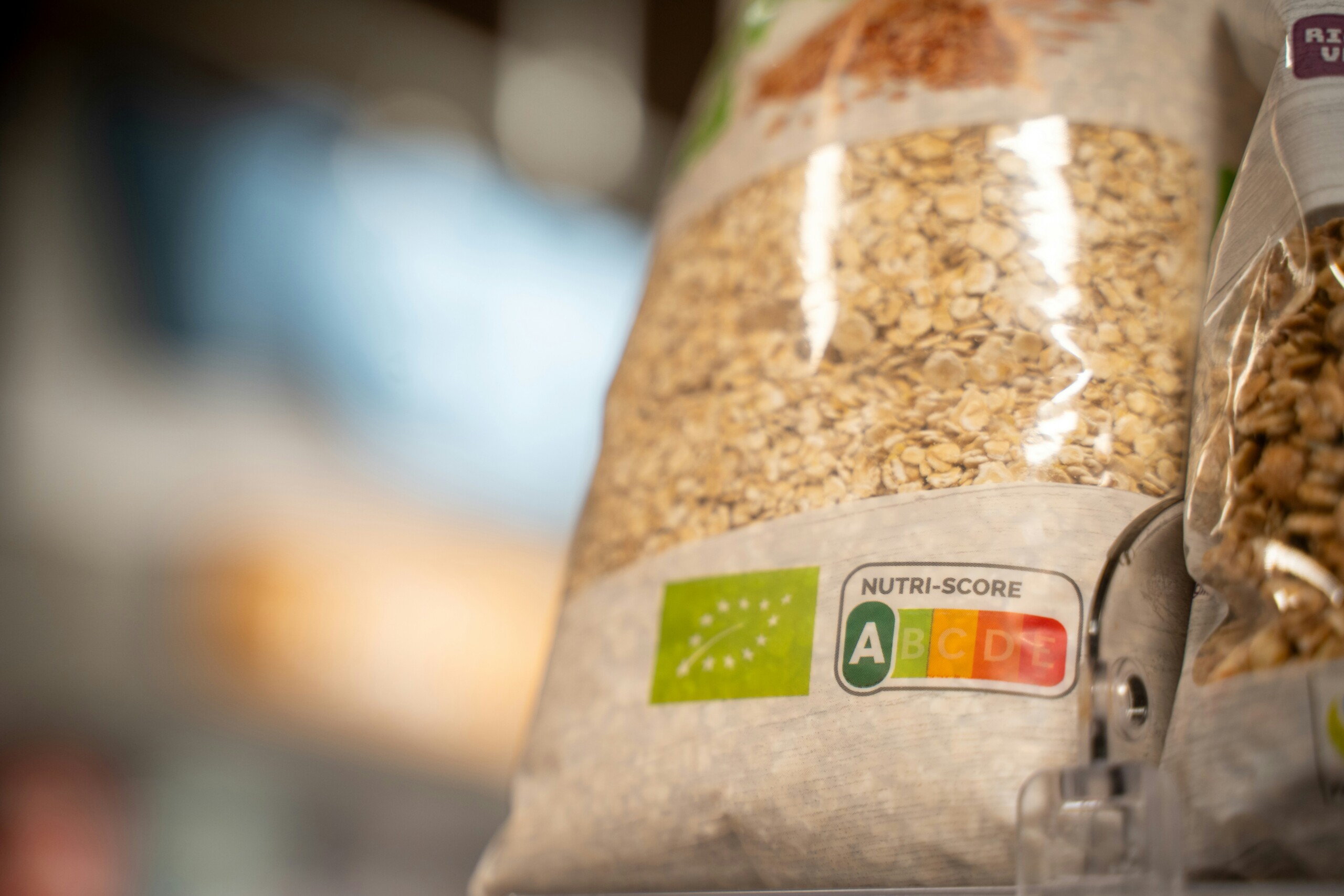
Food-Labelling Case Exposes Risks on EU Transparency Rules
Brussels-Madrid, 13 July 2026 – Access Info Europe has lodged an appeal before the Court of Justice of the European Union in a case concerning public access to key legislative documents related to the

Helen Darbishire Award – Call for Applications and Nominations Now Open
Madrid, 1 July 2026 – Access Info Europe is thrilled to announce a new edition of the Helen Darbishire Award, which celebrates those who use their right of access to information to have a positive
Access Info joins 500+ organisations calling for stronger EU investment in democracy, media, and culture
Madrid, 13 April 2026. – Access Info Europe has joined a broad coalition of over 500 organisations from across Europe calling on EU decision-makers to significantly increase funding for democracy, independent media, and civil

Access Info Submits Comments on the Spanish Draft Law on Public Integrity
Madrid, 2 March 2026. – Access Info Europe has participated in the public consultation and information process for the Spanish Draft Organic Law on Public Integrity, submitting its comments to the Ministry of Finance
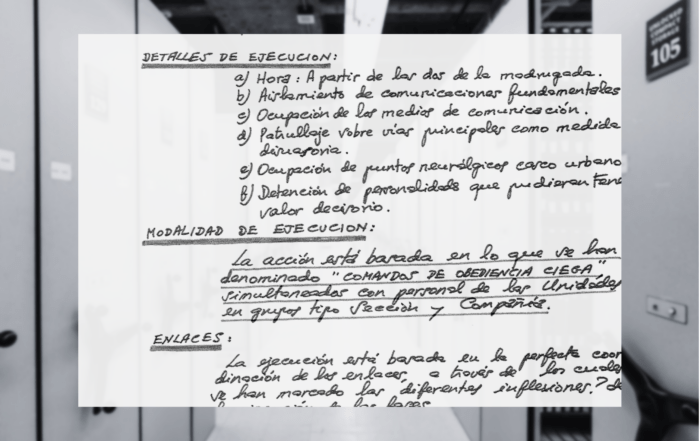
Access Info Celebrates Landmark Release of Secret Files on Spain’s 23-F Coup
Madrid, 25 February 2026 — Access Info Europe welcomes the decision by the Spanish Government to declassify documents relating to the attempted coup d’état of 23 February 1981, a move that acknowledges the public’s
Access Info Ranks ATI Laws in 15 European Countries with Public Request Platforms
27 August 2025 - Access Info Europe has released a study comparing access to information (ATI) frameworks in 15 European countries, all of which operate public request platforms. The analysis measures how well national
Winner Announced for the Helen Darbishire Award 2025
Madrid, 1st August 2025 – Access Info Europe is delighted to announce that the winner of the 2025 Helen Darbishire Award is The Forever Lobbying Project. This cross-border investigation exposed how the chemical industry lobbied
Your Right to Know!