
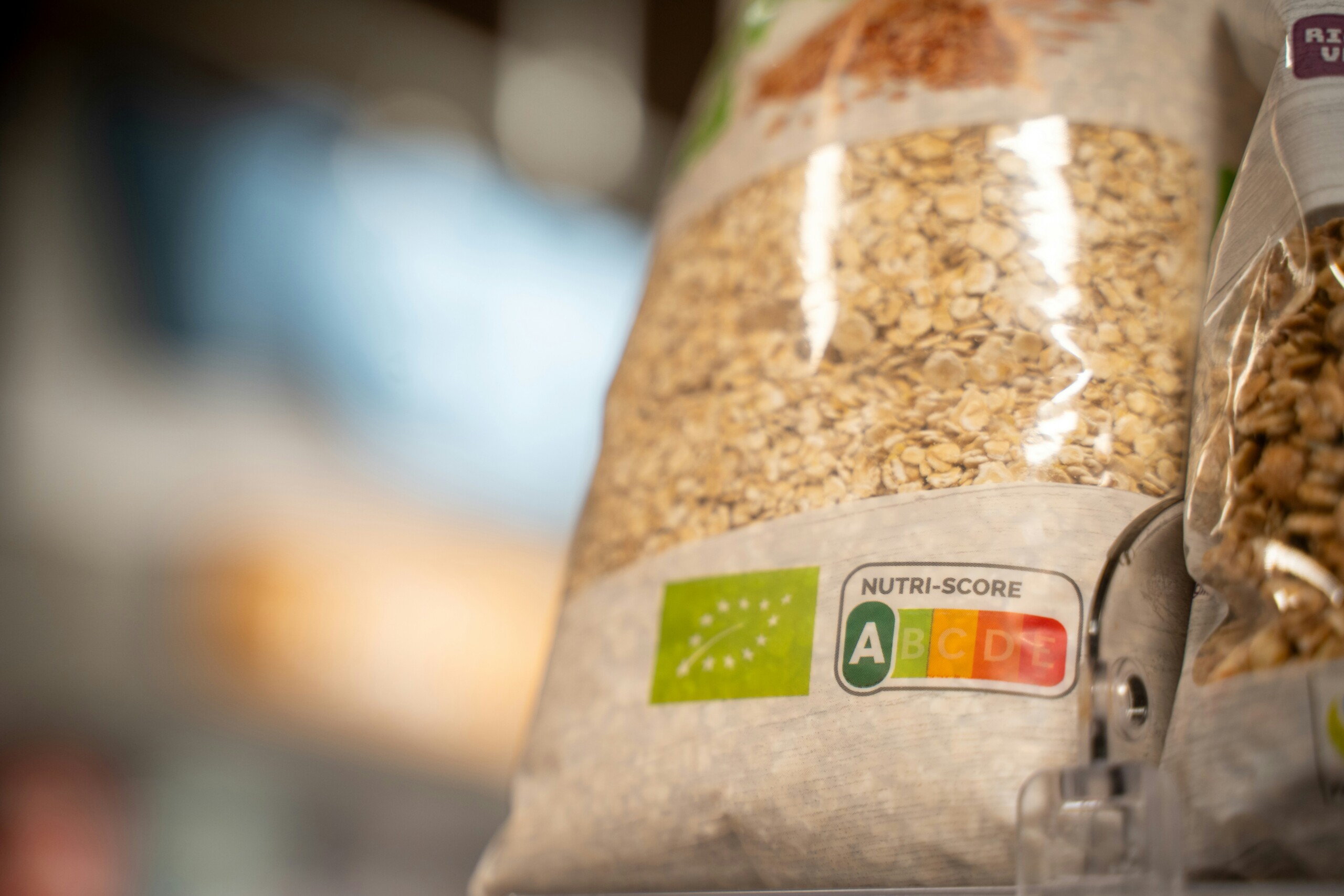
Brussels-Madrid, 13 July 2026 – Access Info Europe has lodged an appeal before the Court of Justice of the European Union in a case concerning public access to key legislative documents related to the revision of the Food Information to Consumers (FIC) Regulation. The appeal challenges a General Court order that dismissed Access Info’s action as inadmissible and raises broader questions about the safeguards established by Regulation 1049/2001, the EU law governing public access to documents.
The case concerns documents originally requested by foodwatch in 2023, and then again by Access Info in 2025, including the European Commission’s Impact Assessment, the Opinion of the Regulatory Scrutiny Board (RSB), and records of related meetings concerning proposed reforms to front-of-pack nutrition labelling. After an initial appeal by foodwatch, the European Ombudsman found that the Commission’s refusal to disclose the documents amounted to maladministration. Even so, and after the second request by Access Info, the documents remain undisclosed.
A case about more than food-labelling
After refusing access to the requested documents, the Commission failed to respond to a confirmatory application within the legal deadline established by Regulation 1049/2001. Under Article 8(3) of the Regulation, applicants are entitled to bring court proceedings when an institution fails to reply within the prescribed time limit.
Relying on that provision, Access Info brought proceedings before the General Court. However, just before submitting the appeal and almost two months after the legal deadline had expired, the Commission adopted a late confirmatory decision maintaining its refusal to disclose the documents. The General Court subsequently ruled that Access Info’s action was inadmissible as it was based on the first refusal and not on the Commission’s second and belated response.
“Regulation 1049/2001 gives applicants the right to go to court when institutions fail to respect the deadlines laid down by EU law. Our concern is that, by adopting acts outside the statutory time limit, where those acts are the ones that must be challenged before the Court, the institutions may be hindering the right to bring judicial proceedings,” said Beatriz Macho, Legal Officer of Access Info Europe.
Why the appeal matters
Access Info and foodwatch are concerned that the interpretation adopted by the General Court creates uncertainty for citizens, journalists and civil society organisations seeking access to EU documents.
The case is particularly important because it concerns legislative documents. According to EU case law, legislative documents are subject to the highest standards of transparency because public access enables citizens to participate more effectively in democratic decision-making.
“We first requested these documents in 2023 and, three years later, we are still waiting for answers,” said Suzy Sumner, Head of the Brussels Office of foodwatch. “Access to legislative documents is only meaningful if it is granted in time for citizens and civil society organisations to participate in the debate. Delaying access for years undermines public scrutiny and makes it harder for organisations like foodwatch to fulfil our mission of protecting consumers and promoting healthier food environments.”
Through this appeal, Access Info is asking the Court of Justice to clarify the legal consequences of missed deadlines under Regulation 1049/2001 and to ensure that the rights guaranteed by the Charter of Fundamental Rights of the European Union and the EU Regulation on public access to documents remain practical and effective.
Although the dispute concerns documents related to front-of-pack nutrition labelling, the outcome of the appeal could affect anyone who relies on EU transparency rules to obtain access to documents held by EU institutions, including journalists, researchers, civil society organisations and members of the public.
Sources and additional information
- Action before the General Court of the European Union, brought by Access Info Europe v Commission (Case T-507/25), foodwatch intervention submitted on 11 September 2025
- Order of the General Court, 8 April 2026 (Case T‑507/25)
- The European Ombudsman’s proposal for a solution on how the European Commission dealt with a request for public access to an opinion by the Regulatory Scrutiny Board on the revision of the Food Information to Consumers Regulation
- Access Info request for access to EU Documents.
- Nutri-score papers: foodwatch joins Access Info in case before the General Court of the European Union
- Appeal: Case before the Court of Justice : C-656/26 P